
Fabric has completed a major redesign of the sound systems in Room 2 and Room 3, marking the first full overhaul of both spaces in years and reinforcing once again why sound remains such a central part of the club’s identity.
At first glance, this might seem like the kind of update only engineers and technical heads would care about. But at a place like Fabric, changes like this go much deeper than equipment. The way a room sounds has always shaped the way it feels, and over time that becomes part of the memory people carry with them after a night out. In clubs like this, sound is not just part of the setup. It is part of the atmosphere, the tension, the energy and the reason certain moments stay with people for years.
That is what makes this upgrade feel important.
Rather than treating the project like a standard club installation, the new systems were developed together with Norwegian audio company NNNN Audio and built specifically around the architecture, materials and physical behaviour of each room. In other words, the aim was not simply to make the system louder or newer, but to make it feel more naturally connected to the space itself.
That distinction matters.
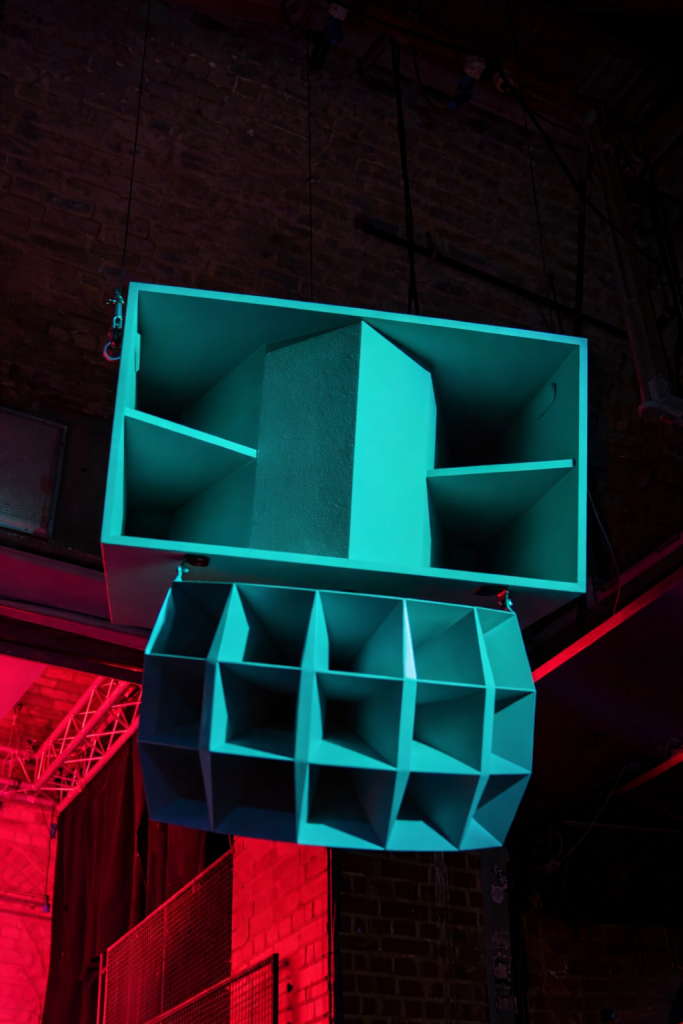
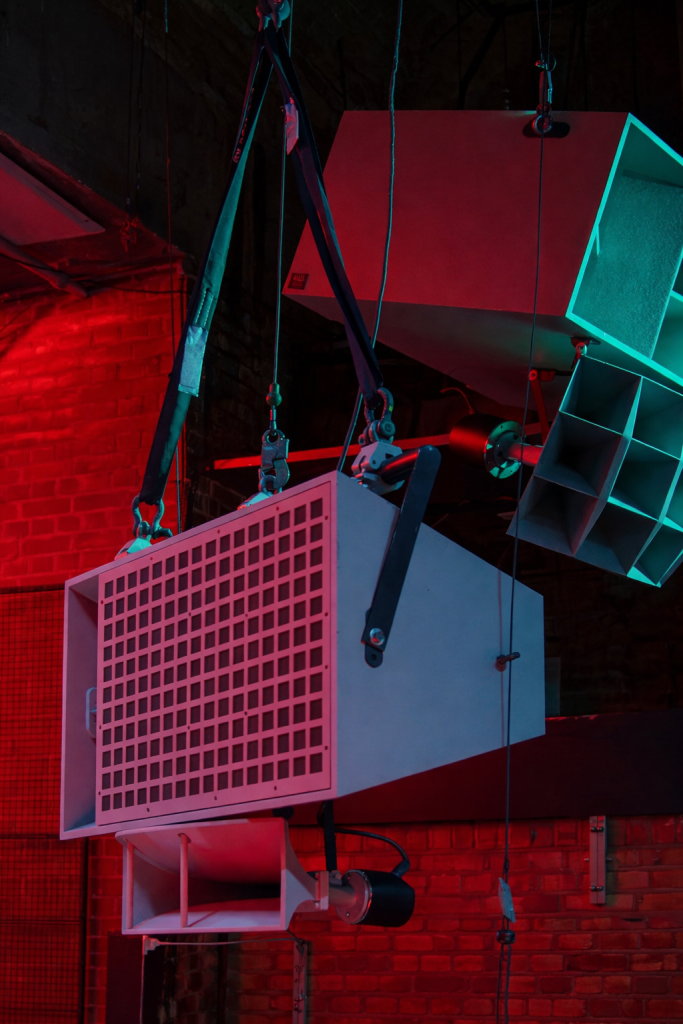
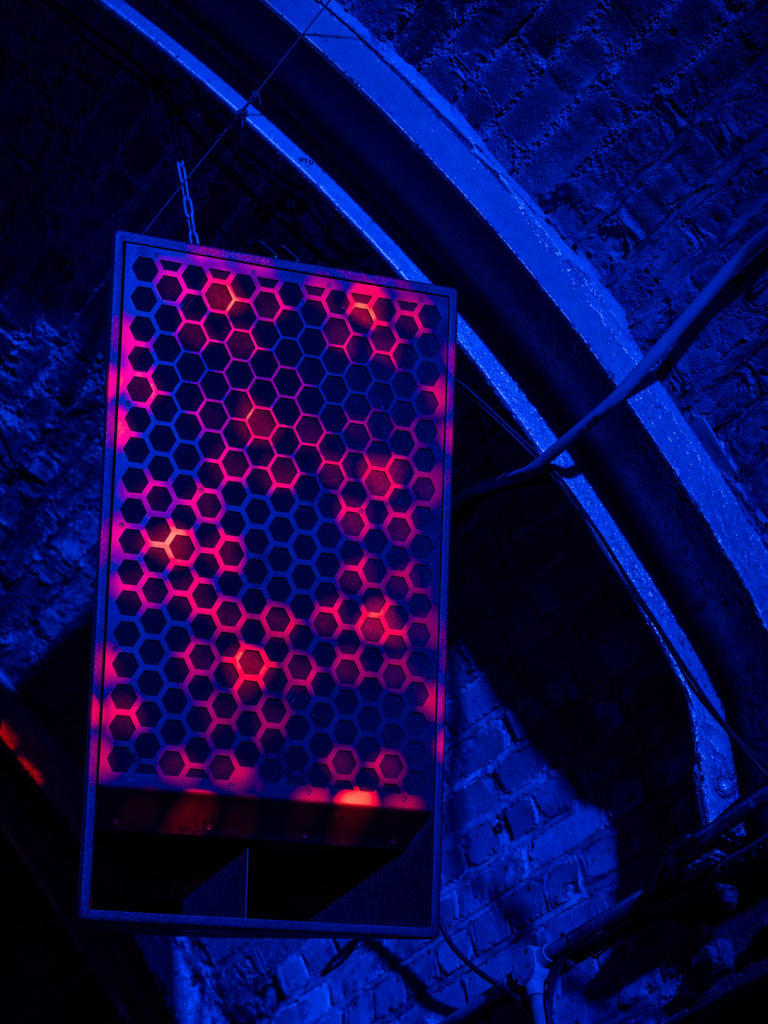
PHOTO CREDIT: Leith
A lot of clubs can install more powerful speakers. Much fewer manage to improve a room without losing what made it special in the first place. From what Fabric has shared, the thinking behind this redesign seems much more considered than a normal technical replacement. The focus was placed on clarity, headroom and physical impact, while still respecting the raw industrial character that gives the club so much of its identity.
Room 2 now runs a custom multi-point setup featuring full-range boxes, a 21-inch bass horn and bass bins distributed around the room to create a more immersive and controlled low-end. Room 3, meanwhile, has been reworked with a much stronger sub response, designed to deliver more physical presence across the floor. That means the upgrade is not just about how the system sounds in theory, but how it actually lands in the body when the room is moving properly.
That physical side of club sound is something Fabric has always understood better than most.
Over the years, the venue has built its reputation not only through lineups and programming, but through the way its rooms respond to music. Some clubs are remembered for who played there. Others are remembered for how the room actually felt when everything locked in. Fabric has always belonged to that second category.
Visually, the new systems also appear to have been designed to sit naturally inside the architecture of the venue rather than feeling separate from it. That may seem like a small detail, but it says a lot about the thinking behind the project. The best systems are often the ones that do not fight the room, but become part of it.
This latest redesign also continues Fabric’s wider long-term investment into sound as a core part of the experience. Recent developments at the club have included upgrades to the Bodykinetic dancefloor in Room 1 and further work on the Room 1 system, all pointing in the same direction: sound is not treated as a background technical necessity, but as one of the foundations of what makes the club what it is.
And that is exactly why this matters.
Because at a club like Fabric, changing the sound does not just change the sound. It changes the room.