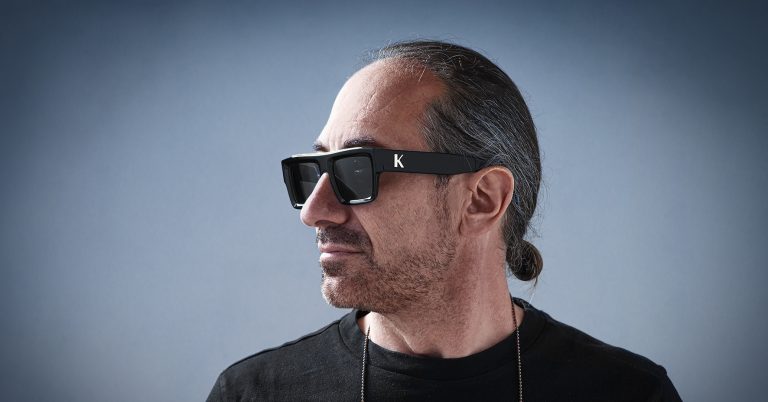

Ahead of the release of Olfactory by Matador and Denis Horvat, we catch up with the acclaimed live artist and DJ, Matador. Featured as Ibiza DJ Awards’ Best Electronic Live Performer and Resident Advisor’s Top 20 Live Acts, and with high-profile remixes for Depeche Mode and Moby, he has proven his skill and passion both on and off stage as a talented and innovative creator.
An ardent equipment enthusiast, he shares a enthusiasm for analog machines and is a proud ambassador for Richie Hawtin’s MODEL 1 and Rupert Neve Designs. His studio videos and tutorials showcase his dexterity in soundscape design and versatility, offering insight from ideas to completion.
Matador’s own imprint, Rukus, launched in 2016 to support both emerging and established producers, and quickly rose to prominence on the electronic music scene. Having been home to productions from the likes of ARTBAT, Stephen Jolk, ANNA, Felix Da Housecat and others, its newest release is a collaboration between Danish producer Denis Horvat with the label’s head honcho, Matador. You can read a bit more about his journey and newest release below, whilst listening to the preview and securing a copy from Beatport:
- First of all, thank you Gavin for taking the time and doing this short interview with Mr. Afterparty, it is a pleasure. I think to get things started I should ask a very cliché question, from early inspirations and influences what has drawn you into electronic music?
Initially it was just the music in my boxing gym that caught my ear, it was mostly hard house and trance in the early 90s, from there I moved towards techno, progressive house and anything that leaned into the darker side of sound.
- And when did you first get into DJing?
At 14/15 years of age. Listening to Pete Tong, Fergie, Judge Jules on Radio One almost 30 years ago. Then the surge of dj mix cds, Dave Clarkes ‘World Service 1&2, Richie Hawtin’s 909 Dex n Fx, Sven Vath’s Sound of the Seasons (Ibiza), then you had all the Global Undergrounds……an endless supply of influences and inspirations.
- When it comes to producing, what influences your creativity process? And from all your productions, if you could pick your favourite which would it be?
In a lot of cases it comes from film, I watch a lot of 80s films, and I love soundtracks. Most of the 80s soundtracks were dominated by a new wave of synths and drum machines. So that triggers ideas quite a lot, also just sitting down in front of hardware tends to be a quick process for generating ideas. Out of all my productions I quite often go back a listen to my downtempo album from a few years back called ‘Tuesday’. Its all very organic, I wasn’t trying to write anything other than what was in my head. I’d also just bought a Moog One synth so I used it a lot over this album.
- What has led you to start your own label Rukus in 2016?
Like most artists, control and ownership of my own music.
- Since Rukus being launched, you’ve worked with some amazing artists like ANNA, ARTBAT, to name a few – is there any particular interest when it comes to picking artists to participate in your brainchild?
Yea of course, I’m interested in working with artists who make their own music.
- Now looking ahead, you have a fresh release coming next week with Denis Horvat. How was the production process of the track with him?
Denis is a fantastic producer and sound designer, it was a no brainer for me. In this case I had an idea developed which was a little more driving for my sets, and Denis flipped it into something incredibly interesting, and turned in a way I could never had imagined. The triplet drop for instance, a real testament to a producer willing to take risks and push ideas to the max. This doesn’t happen enough anymore, however I do see a new surge of credible techno/minimal artists coming through who are making some incredibly forward thinking sounds and arrangements.
- And anything planned for London in the next few months?
Yes, announcements coming soon 😉
- Final one, if you could give any advice for DJs and Producers who are just getting started in the scene in 2026 what would it be?
Don’t use shortcuts. Spend the time learning the craft. Spend the time practicing and finishing, and you’ll be confident in what you’re doing. If you don’t do this; you’ll never feel fulfilled in your work.